

Going vegan involves more than just advocating for animals to end their exploitation by not consuming them and their secretions (dairy)— it’s also about making mindful choices to avoid animal products in all forms, which can get pretty tricky sometimes!
One of the obvious challenges is being conscious of ingredients like those derived from bugs, like honey, carmine (made from crushed beetles), or shellac (from lac bugs). These substances can sneak into foods and cosmetics that you might not expect, and that’s one reason why it’s important to have a legitimate company that can certify and label every vegan product, which will surely make our lives easier and minimize the time consumed reading ingredient labels. It can feel like you’re playing detective at the grocery store– reading labels, googling on your phone, and asking questions to make sure you’re not unintentionally supporting something you’re against.
Then, there are those cruel animal experiments. As a vegan, you’re all about compassion and not wanting to contribute to animal suffering, so it can be frustrating to find out that some products or medications have been tested on animals. You might end up spending extra time researching alternatives, or advocating for cruelty-free options.
But hey, every time you make a choice that aligns with your values, you’re making a positive difference and your commitment to kindness and justice makes it totally worth it! That said, here’s a list of bizarre things that trigger a vegan you may not know of.
1. Sneaky milk ingredients in foods you think are vegan
It can be so annoying to find foods that looks like 100% vegan, like plain salted potato chips, only to find milk, casein, or dairy in its ingredients. Same with some non-dairy creamers, as many of these creamers contain small amounts (less than 2%) of sodium caseinate, a milk-based derivative. This recurring matter makes us a bit paranoid, so we always check every ingredient, no matter how vegan it looks.
2. Expecting all sugar to be vegan… But what about bone char?

Bone char, often used in the process of refining white cane sugar, is made from animal bones. As this is only an issue in certain countries, vegans may be unaware that some sugars are processed using this method. Luckily, many sugars are created without bone char and are suitable for vegans, for example, coconut sugar and beet sugar, which are never processed with bone char. When you’re unsure, it’s best to do a quick online search and look for products that are vegan-certified.
3. Red food coloring
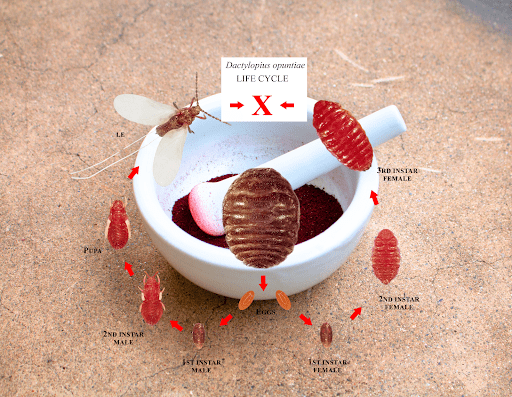
Cochineal insects are used to produce carmine, a type of red food coloring. Finding out that this insect-derived ingredient is in certain foods or cosmetics can be unexpected and upsetting for vegans. Red40 is also a synthetic chemical that ethical vegans avoid because it’s often tested on animals. However, It’s good to know how easy it is now to find vegan and natural food coloring alternatives.
4. Gelatin in candy

Most of us grew up non-vegan kids who loved gummy candies, only to learn now that we’re vegans, that the way these candies are made is not just disgusting, but also cruel. These gummies were made from gelatin, which is derived from the cartilage, skin, and bones of a slaughtered animal. Other popular sweets may also contain gelatin, like candy corn. It’s great that there are more vegan candies now, which offer vegan gummies and even marshmallows that are instead derived from vegan thickening agents, such as agar-agar.
5. Vitamin D3-formulated foods that contain lanolin

Some foods marketed as “plant-based” such as formulated drinks and cereals may contain additives like vitamin D3, which is often derived from lanolin. Lanolin comes from sheep’s wool, which can be confusing, particularly if you’re newly vegan. I had a problem with this too, when I had to buy a soy formula for my first baby, only to find out that the Vitamin D3 listed does not mention if it’s derived from lanolin or algae. Therefore, it’s best to research such products or contact their company. Even Kellogg’s cereals were questioned by vegan activists and were urged to veganize its formulated sheep wool derived Vitamin D3 in its ingredients lists.
6. Animal cruelty-based medications

Some medications and supplements contain animal-derived ingredients or are tested on animals, which may not be immediately obvious to vegans seeking cruelty-free options. It’s always best to research if the medication or supplement is vegan or if there’s a vegan alternative to it. Of course, if given no choice, we must just do what’s practically best, as veganism can’t be perfect, yet is always progressing to give us better options in the future.
7. The grey areas of popular drinks

Most ethical vegans prefer to buy certified vegan beverages, especially if the ingredients include chemical codes like E-Numbers that may involve cruelty to animals, non-vegan sweeteners, or sometimes dairy. Some popular alcoholic drinks are processed with isinglass, made from the dried swim bladders of fish; contain gelatine; are made from boiled bones, flesh, and ligaments; contain casein, a protein derived from cow’s milk; or contain albumin from egg whites, therefore it’s good to check if it’s labelled “vegan” like most vegan-certified wines. Sometimes it might be necessary to research these companies’ websites to find out about their ingredients and if they’re processed in a vegan-friendly way, but fear not, as many entire brands are clearly vegan-labelled. This is not a killjoy to a vegan-hearted person, as compassion matters more than a good time.
8. Lack of vegan-friendly banks and financial institutions

It’s disheartening to know that most banks in the world are involved in unethical practices such as animal exploitation, human abuse, and even notorious war arms funding. Therefore it’s best to be more analytical and research which bank is the most ethical option for us to invest our money. Lee Coates, director of Ethical Investments, looks at the different ways a vegan lifestyle can be paired with vegan money options, and how you can save and invest ethically on the Vegan Society website.
9. Realizing vegan foods still contribute to the deaths of bugs

As a vegan, caring about all living beings is a core ethical principle. However, it can be a bit of an eye-opener to realize that even by choosing vegan foods, there can be unintended consequences for insects and other small creatures. This is usually used as the basis of arguments of non-vegans.
When you think about it, agriculture— whether it’s that of crops, fruits, or vegetables— inevitably affects bugs, and others. Farming practices like plowing fields, pesticide use, and harvesting can unintentionally harm insects and other wildlife. This realization can sometimes be a bit disheartening because as vegans, we strive to minimize harm to all animals, not just those traditionally associated with food.
But here’s the thing– veganism isn’t about achieving perfection. It’s about doing the best we can to reduce suffering and exploitation as much as possible. That includes being mindful of how our choices impact all living beings, including bugs.
Some vegans may choose to support organic or backyard farming and look for labels that indicate sustainable and wildlife-friendly practices. Others might advocate for better farming methods that minimize harm to insects. It’s all about finding a balance and continually learning and adapting our choices to align with our values of compassion and respect for all life.
So, while it can be sobering to realize that vegan foods aren’t entirely free from unintended consequences, this doesn’t diminish the overall commitment to reducing harm and making a positive impact on the world.
Every vegan effort counts, and every compassionate choice matters.