
The wool industry is one of the most deceiving sectors of the animal exploitation industry. Here are eight facts this industry doesn’t want the public to know.
Commercial industries often rely on deceptive tactics to promote their products.
They use persuasive advertising to highlight the positives and hide the negatives, misleading consumers about the true nature of their practices. In the case of animal exploitation industries, their negative effects are so harmful across the board that they go to great lengths to conceal them. If consumers were fully aware of the realities of these industries, many would reconsider supporting their products.
The wool industry is no different, constructing a false image of wool as a “natural”, “sustainable”, and “ethical” choice. By falsely claiming that wool is a byproduct of other industries which is obtained without harming the animals, this industry profits by deceiving the public about their true blood footprint. According to Business Wire, the global production of wool generates about $2.2 billion annually, and according to the International Wool Textile Organisation, the wool industry exploits about 1.1 billion sheeps (note that we use “sheeps” in the plural rather than “sheep” because we write in veganised English).
Many people continue to buy into this misconception, unaware of the exploitation and suffering it entails. Even those who oppose other forms of animal cruelty often overlook the dark realities of wool production. As with many industries based on animal exploitation, the wool sector hides numerous disturbing facts.
Here are eight truths the wool industry would rather you didn’t know.
1. All sheeps in the wool industry are genetically modified
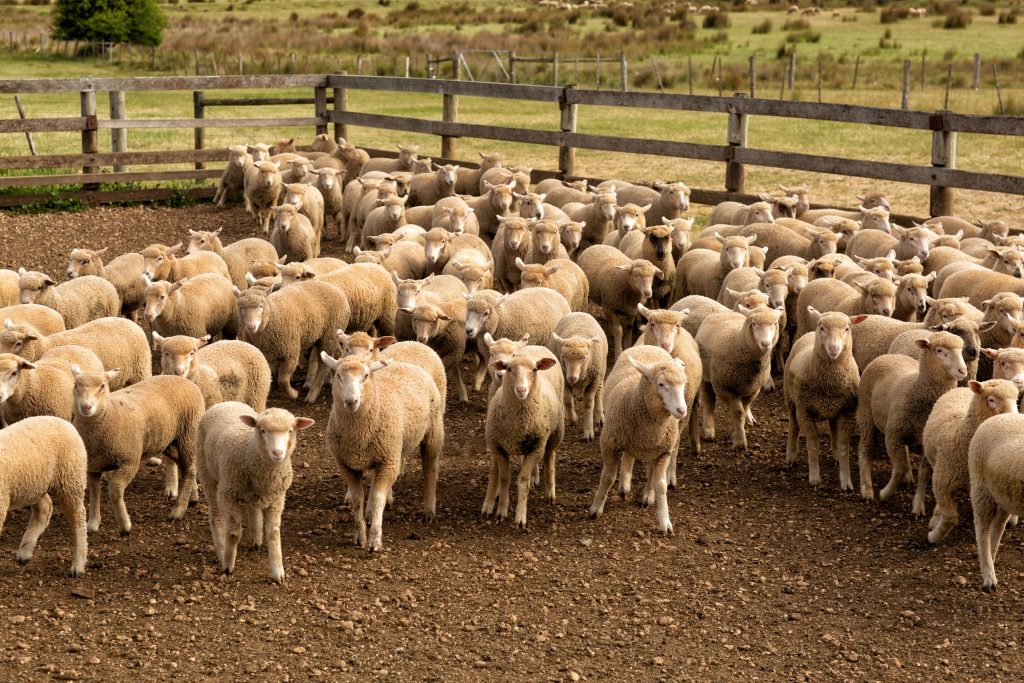
Between 11,000 and 9000 BCE, the peoples of Mesopotamia began to raise the descendants of wild mouflon selectively, gradually altering their genes over generations to make them produce more hair. That led to today’s breeds of domestic sheeps that grow dangerous amounts of hair (as it can overheat the animal and facilitate parasitism) that need to be cut off periodically. All the sheeps used in the wool industry are domesticated breeds, so they have been genetically modified in one way or another via artificial selection (where the farmer chooses whose animal mates with whom based on the characteristics they want to preserve or enhance).
In modern times, this genetic manipulation has gone further. Since the 1990s, scientists have produced transgenic sheeps expressing insulin-like growth factor 1 (IGF1), resulting in a 6.2% increase in clean fleece weight (with a greater effect in males, 9.2%, than in females, 3.4%). Transgenic sheeps were produced by pronuclear microinjection with a mouse ultra-high-sulphur keratin promoter linked to IGF1. Also, other studies have explored modifying genes like fibroblast growth factor five (FGF5) to increase wool length and density. Chinese scientists have now created a new variety of sheeps that have different coloured and patterned wool.
2. Not all sheeps need to be sheared
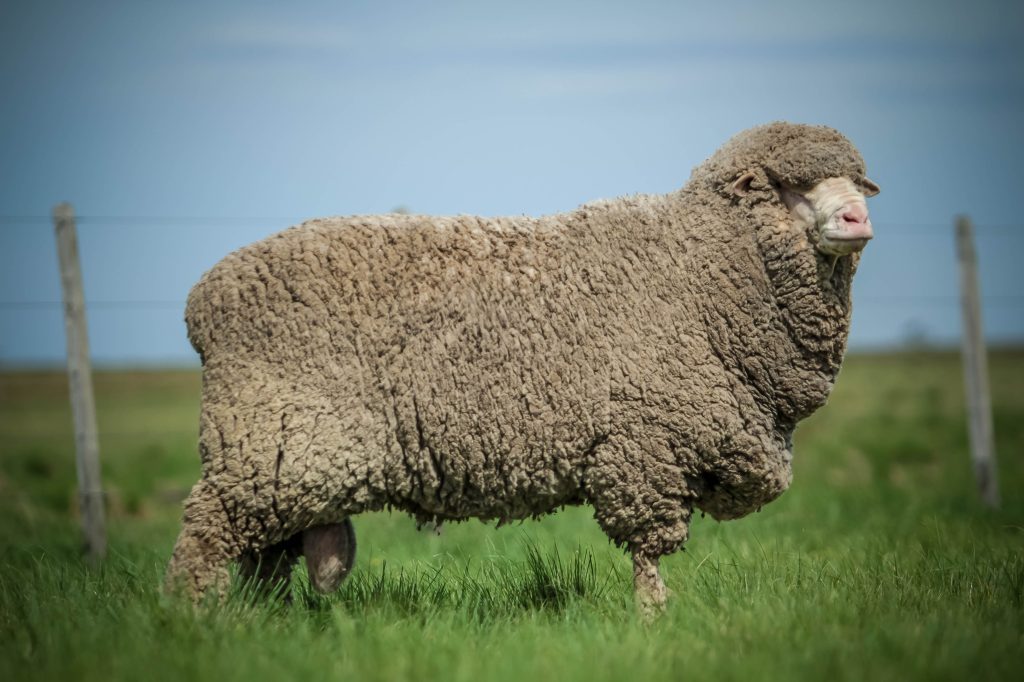
The wool industry wants to make people believe that shearing sheeps is inevitable so it is legitimate to profit from something that cannot be avoided, but this is not true. All breeds of domestic sheeps (Ovis aries) are descendants of the wild mouflon of Europe and Asia (Ovis orientalis), which still exist today and do not require shearing since they lose their excess hair naturally. So, “natural” sheeps do not need sharing. Only the breeds created by humans to produce unnatural amounts of wool do.
However, not all the human-made breeds of sheeps need sharing either. Breeds such as the Katahdin, Dorper, American Blackbelly, St Croix, Romanov, Blackhead Persian, West African Dwarf and Red Maasai do not need shearing as they lose hair naturally. Therefore, shearing is not inevitable, and it is a practice created by the wool industry to get the wool off the breeds of sheep it has genetically manipulated to produce dangerous amounts of hair. So, when the industry claims their sharing is done for animal welfare reasons, they have been deceptive as the animal welfare problem they claim to be solving was created by the industry in the first place, and on purpose.
3. Sheeps suffer when sheared by the wool industry
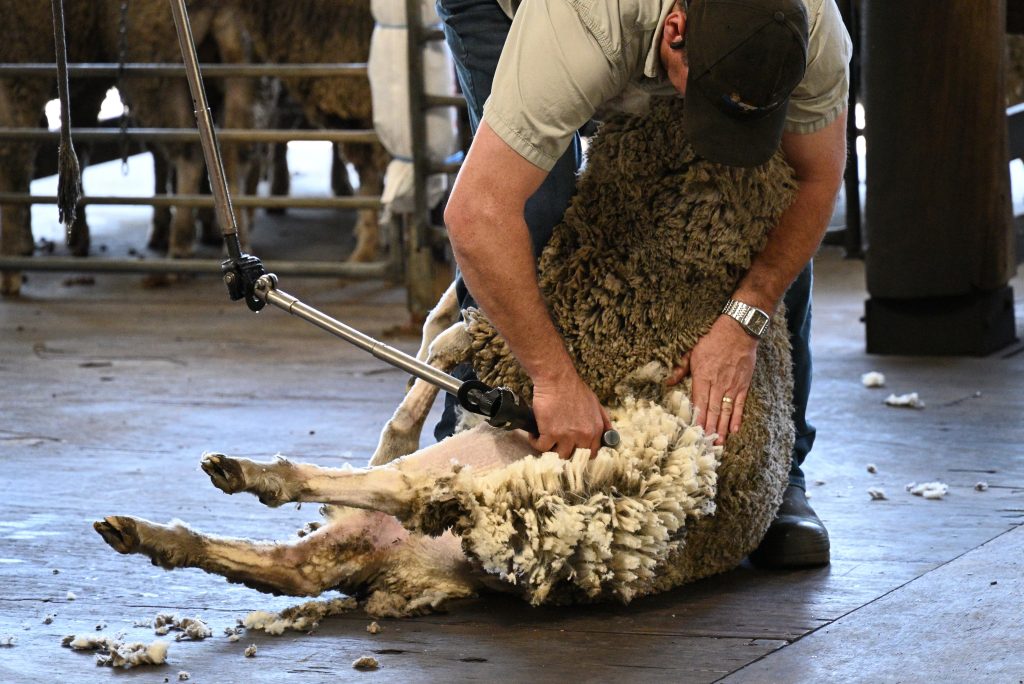
Shearing causes suffering because, in the wool industry, it is typically done very quickly by shearers who are contractors paid per fleece (or per its weight), not per hour of work, and are therefore likely to rush, treating animals very roughly and often causing them injuries and bleeding. Some shearers (known as Gun Shearers) can process up to 400 sheeps in a day, and they aggressively pin them down to prevent them from moving around — which is scary and hurts them. Some sheeps resist more than others, so the impatient shearers may hit them and stomp on their heads to keep them still.
Numerous undercover investigations by the animal rights organisation PETA have exposed these violent practices in several countries, including Australia, the second exporter of wool after China. Australians use the Merino breed, which is the most aberrant breed with the most excess hair (a Peppin Merino ram can produce up to 18 kg of wool per fleece). This breed was established in Spain near the end of the Middle Ages, but now they are very common in the rest of Europe, America, Australia and New Zealand.
4. The wool industry skins many lambs alive
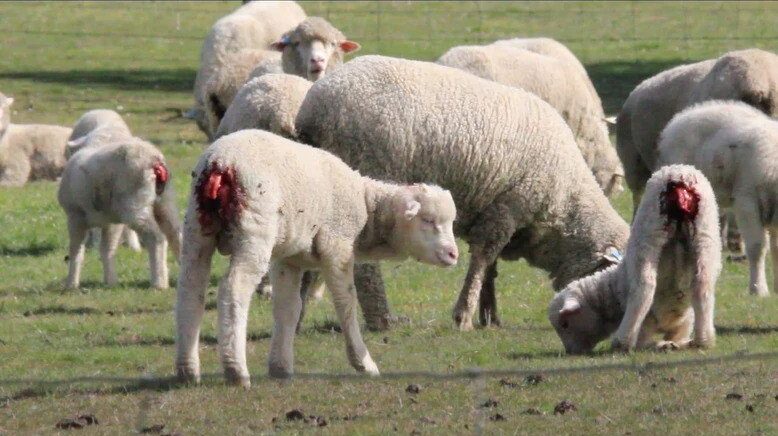
The combination of the Australian climate, and the Merino sheeps who have a lot of wrinkles in their skin, causes the retention of moisture, which is what makes them highly vulnerable to parasites, such as flystrike, a myiasis disease where flies lay eggs in the folds of the skin and maggots eat the animals alive. To prevent this disease, Australian farmers practice a painful operation on sheeps called mulesing.
When lambs are just 6 to 12 weeks old, they are restrained on their backs, and then strips of skin are cut away from their backside (crescent-shaped flaps of skin from around a lamb’s breech and tail) without anaesthetics (hence describing it as skinning alive). Mulesing causes lambs a great deal of pain (which can last from at least up to 48 hours to several weeks), fear, and stress. Lambs who underwent this procedure will socialise less, lose weight in the first two weeks post-mulesing, and show behavioural indicators of pain. Although flystrike can be treated chemically, mulesing is still common in Australia (New Zealand banned mulesing in 2018).
5. Wool is not a byproduct of the meat industry
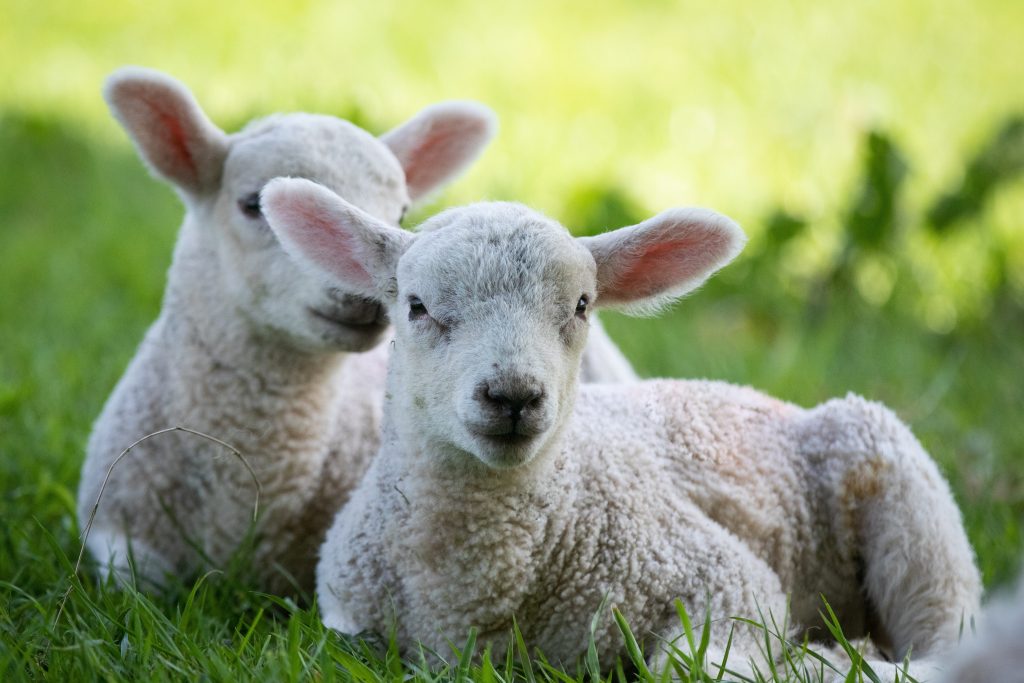
Farmers would try to exploit the sheeps they keep to produce as much profit as possible, so they most likely will use them for lamb (baby sheep meat), mutton (adult sheep meat), milk, and wool. Although lamb meat may generate most of the profit of a flock, it is not that wool is just a by-product of the meat industry, because the sheeps used were genetically modified to produce more hair, not to become big and fat (like in the case of pigs genetically modified by the meat industry). Therefore, both the meat and the wool industries operate in tandem equally exploiting the sheeps, none being a subsidiary of the other. If you support the wool industry, you are also supporting the meat industry, because sheep farmers need both to be profitable enough — if people stopped using wool many sheep farmers may not survive by only selling meat.
This also means that it is not unusual for farmers to try to breed an excessive number of lambs, which will generate all sorts of health problems for the ewes who may end up suffering from mastitis (a common bacterial infection of the udder). And although most sheeps are reared outdoors, several million are kept on factory farms, where they have no exercise, no sunlight, no fresh air, and often very little food.
6. Sheeps in the wool industry are killed when are still young
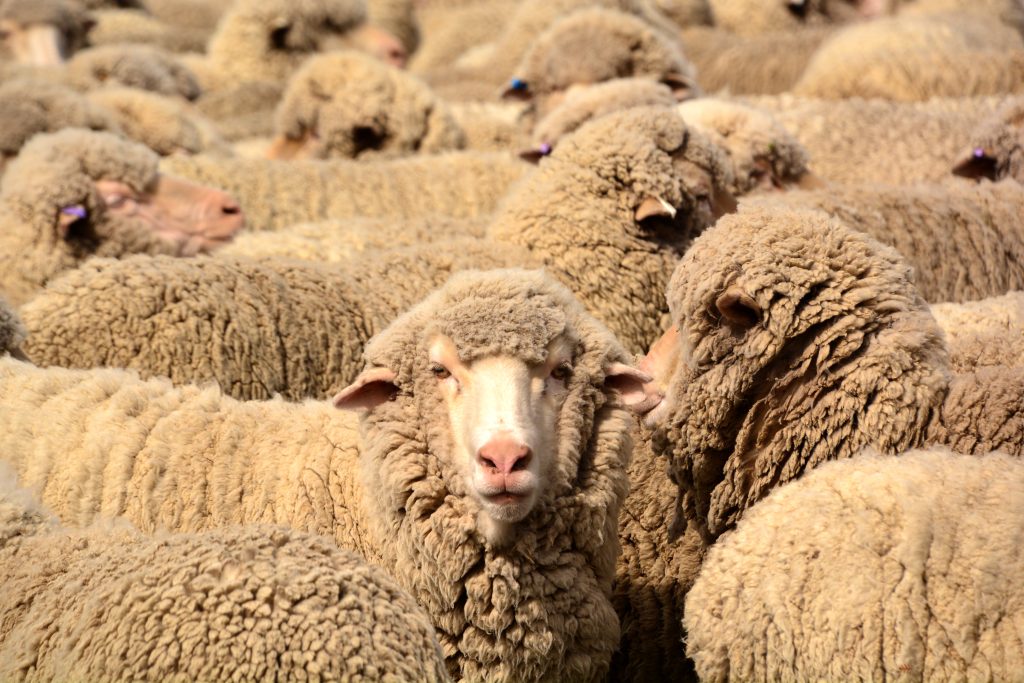
Like all animal exploitation industries, when the animals produce less, they are killed. When ewes reach about five years of age they start losing their front teeth from grazing, which makes them produce less milk. As a consequence, their lambs may end up being underweight, and less profitable. Most commercial farmers will then auction the ewes off to stockyards where they may continue to be exploited for breeding, milk, and wool for some time until they get sent off to slaughter for mutton, burgers, or pet food. Alternatively, they may be put in lorries or boats and exported to other countries. Each year, 1.7 million sheeps have been exported from Australia to the Middle East and North Africa, travelling long distances in deplorable conditions, only to be killed when they get to their destination.
So, the wool industry, intertwined with the meat industry, kills sheeps both as babies but also as relatively young adults, who would be killed prematurely in slaughterhouses (a sheep in the industry only lives an average of five years, while a sheep in the wild or a sanctuary can live an average of 12 years). Most sheeps are killed by electrical stunning followed by sticking. The other main method is the captive bolt. Around 75% of sheeps are killed by a halal method, and 25% of all sheep are killed by a cut to the throat without stunning — almost all of these being halal.
7. The wool industry is not sustainable
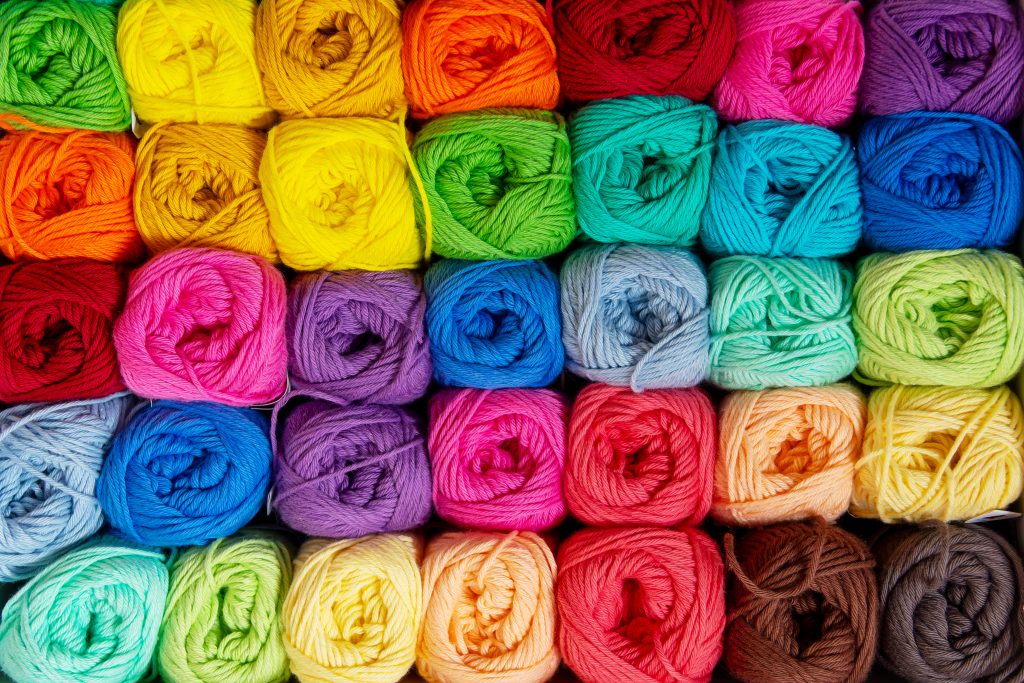
Environmentally speaking, wool is not the sustainable natural fibre that the industry would have people believe. The Pulse of the Fashion Industry Report 2018, published by Global Fashion Agenda and The Boston Consulting Group, ranked wool production in 5th place for fibres with the worst environmental impact (the first was leather followed by silk), and experts now recognise that wool is much worse than acrylic fibres, polyester, spandex, and rayon concerning the environmental impact per kilogram of material produced.
According to a 2021 report titled Shear Destruction: Wool, Fashion and the Biodiversity Crisis produced by the Center for Biological Diversity and Collective Fashion Justice’s CIRCUMFAUNA initiative, wool production is a key contributor to biodiversity loss and climate change. The report found that, compared to other materials used in similar types of clothing, the average climate cost of sheep’s wool is three times greater than acrylic and more than five times greater than conventionally-grown cotton. Wool uses 367 times more land per bale than cotton, and the chemically intensive process of cleaning shorn wool pollutes waterways and kills aquatic life. Overgrazing can also lead to soil erosion and degradation of natural habitats.
8. Alternatives to animal wool are just as good
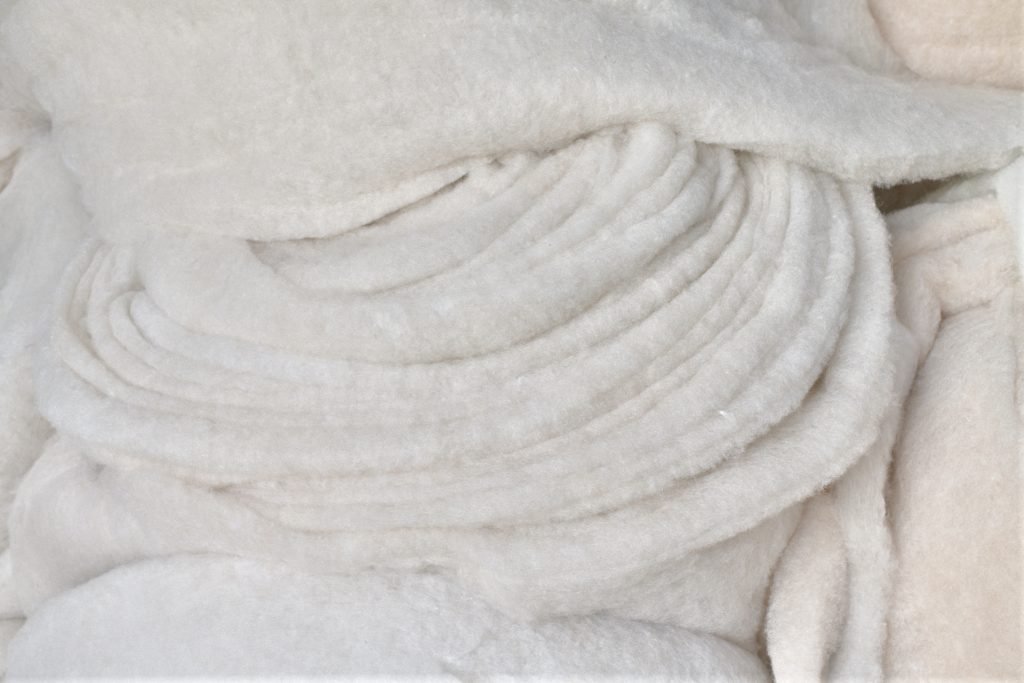
The wool industry often claims that wool has properties that cannot be replicated by any other fibre and that clothes made of wool are the warmest of all. This is, of course, an exaggeration made by the industry PR machine to sell more products and devalue their competitors. Synthetic fleece made from polyester is lightweight, quick-drying, and provides excellent insulation even when wet. Because of this, it is a popular choice for outdoor clothing and can be as warm as wool in many applications. Thinsulate is a synthetic microfiber insulation that despite being thin and lightweight provides exceptional warmth (it is often used in winter jackets and gloves as an alternative to down or wool).
Wool is an unnecessary product since there are many good enough alternatives easy to make and get — and often cheaper. Not just from synthetic plastics (which could be recycled), but also from sustainable natural fibres, such as Tencel (or Lyocell) made from wood cellulose, hemp, organic cotton, soya bean fibre, linen, bamboo, Woocoa (coconut and hemp fibre) and Nullarbor (created by bacterial fermentation). Linen is a durable material that becomes softer and stronger the more that it’s used, and can absorb up to 20% of its weight in moisture before it feels damp (wool takes a long time to dry). Hemp grows without the use of pesticides or chemical fertilisers and is also completely biodegradable. Soy fabric, also known as “vegetable cashmere” is a new eco-friendly fabric made from a byproduct of soybean processing.
There is no justification for using wool in any product, and this is why vegans reject this blood fibre.
Don’t be fooled by abusive animal exploiters and their horrible secrets.
Take Action for Animals Exploited for Fashion: https://veganfta.com/take-action/animals-used-for-fashion/