
Despite being revered in some Indian communities, the abuse of Asian elephants in India is widespread, particularly when exploited for tourism and religious purposes.
Asian elephants are considered sacred by some Indian communities, symbolizing wisdom, strength, and divinity, but despite this, many elephants endure severe abuse and mistreatment across various sectors, including tourism, religious ceremonies, and labour. They are also the victims of several forms of conflicts with the growing human population. Despite legal protections and conservation efforts, the abuse of elephants persists, driven by economic interests and old-fashioned cultural practices reluctant to embrace modernisation.
Elephants have been used by humans for over 4000 years, but they have never been domesticated. Horses have been exploited since about the same time, but they went through a process of domestication that changed them physically and mentally, till the point that all horses now are domesticated and the original wild horse from whom they were bred no longer exists. However, that did not happen with elephants, who are still in the wild and most of those exploited are still wild-caught. Therefore, they are likely to suffer more from exploitation.
A 2020 report released on World Elephant Day revealed that over 200 elephants in India are kept in “severely inadequate conditions”. Of the 21 venues housing 509 elephants studied, 45% (225) of the elephants were found to be living in such poor conditions.
India has laws like the Prevention of Cruelty to Animals Act 1960, and the Wildlife Protection Act 1972, aimed at safeguarding animal welfare, but enforcement is inconsistent, and cultural practices often overshadow legal provisions, allowing the continued abuse of these animals. Other than in zoos, the exploited elephants are wild animals likely to have been taken from the wild. They are often exploited with no ownership papers or use certificates, or with fake fitness certificates, breaking the Wildlife Protection Act 1972, which says they cannot be exploited for profit. Elephants are India’s National Heritage Animals, but the way they are treated shows a complete lack of concern for their welfare.
This problem is not confined to India alone. All the other countries where Asian elephants (Elephas maximus) are native (such as Bangladesh, Bhutan, Cambodia, Indonesia, Laos, Malaysia, Myanmar, Nepal, Sri Lanka, Thailand, Vietnam and China) also abuse elephants in similar ways, but perhaps the case of India is more well known due to the size of the country and the significance of these animals in Indian culture.
Exploitation of Elephants in Tourism
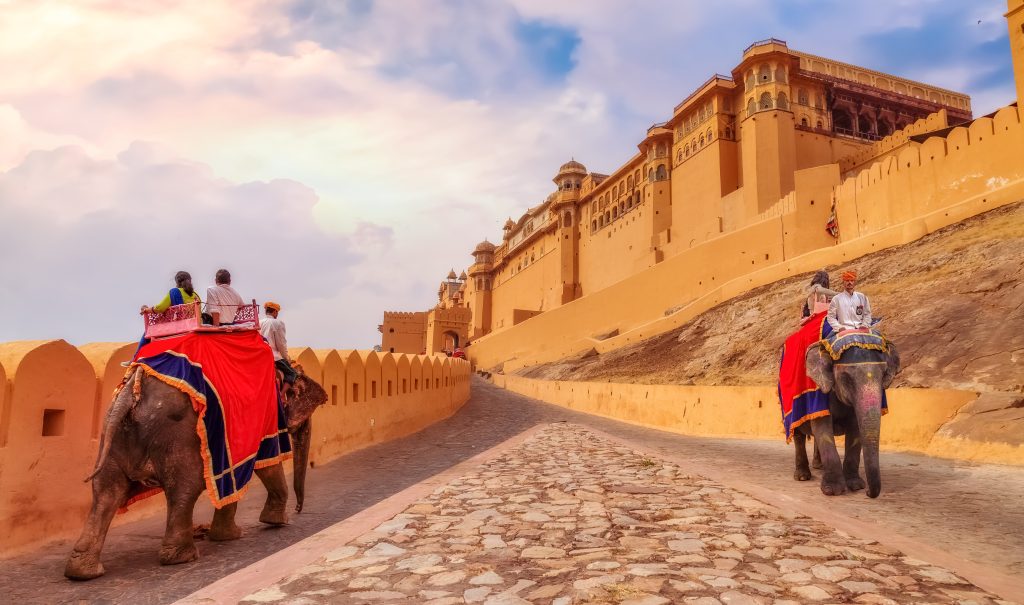
The tourism industry in India often subjects elephants to harsh conditions. Tourists frequently pay for elephant rides, performances, and close interactions with wildlife, ignoring the underlying cruelty that all of this involves.
To make elephants submissive to such activities, they undergo a brutal training process known as “phajaan” (or “crush”) which involves physical and psychological abuse. Wild baby elephants go through this process, in which, using restriction in a cage, often with the use of corporal punishment or other types of adverse coercion, many of the instincts of the animals are partially “reprogrammed”. This method originated in the hill tribe communities of India and Southeast Asia and is believed to drive the wilful and wild spirit from the elephant, leaving it submissive for their handlers to control.
The abuse continues throughout their lives, with many exploited elephants suffering from foot injuries, eye damage, pain from the use of bullhooks, and general fatigue due to their unnatural activities and inadequate diet. The constant stress and discomfort can lead to arthritis and foot infections. In popular tourist destinations like Amber Fort near Jaipur, elephants are forced to carry tourists on their backs, often in extreme heat and dangerous conditions.
A 2017 report by World Animal Protection revealed that more than three-quarters of the nearly 3,000 elephants used in tourist entertainment in Asia live in severely inadequate conditions, including constant chaining, insufficient shelter, and lack of proper veterinary care.
Exploitation of Elephants for Religion and Labour

In Indian states like Kerala, in the southern part of India, elephants are often part of Hindu temple festivals and religious processions. Despite their sacred status, these elephants often suffer from neglect and mistreatment. Taken from their families in the wild, they are shackled, beaten, whipped and exploited. They are painted and dressed in colourful decorations, then forced to stand for long hours on hot tarred roads, deprived of adequate food and water, and subjected to loud noises (such as fireworks and crowds), which leads to stress and suffering. The documentary “Gods in Shackles“, produced by Sangita Iyer, one of the world’s leading champions for India’s elephants, exposes the dark reality behind the use of elephants in Kerala’s cultural festivities, highlighting the physical and emotional torment they endure.
In Kerala alone, there are approximately 500 festival elephants out of 3,500-4,000 across the country, with Action for Elephants UK (AfE) describing their treatment as “the worst case of animal cruelty in the world”. However, the situation with the 150 captive elephants in neighbouring Tamil Nadu is feared to be just as bad. One solution to this problem is using robotic elephants instead, a practice that has already been applied in some temples.
Elephants are also exploited for heavy labour, such as logging and hauling. In 2022, PETA India reported on an emaciated elephant in Kerala forced to work in the logging industry despite being in poor health. Such elephants often suffer from malnutrition, injuries, and exhaustion due to relentless workloads and lack of proper care. PETA said, “Frequently controlled through beatings and prodded and gouged with weapons, they often suffer without veterinary care or adequate nutrition. Many have painful foot rot and leg wounds from being chained for hours on end. They also commonly show physical signs of severe psychological distress — such as swaying, head-bobbing, and weaving — behaviour not seen in healthy elephants in nature.”
Human-Elephant Conflict
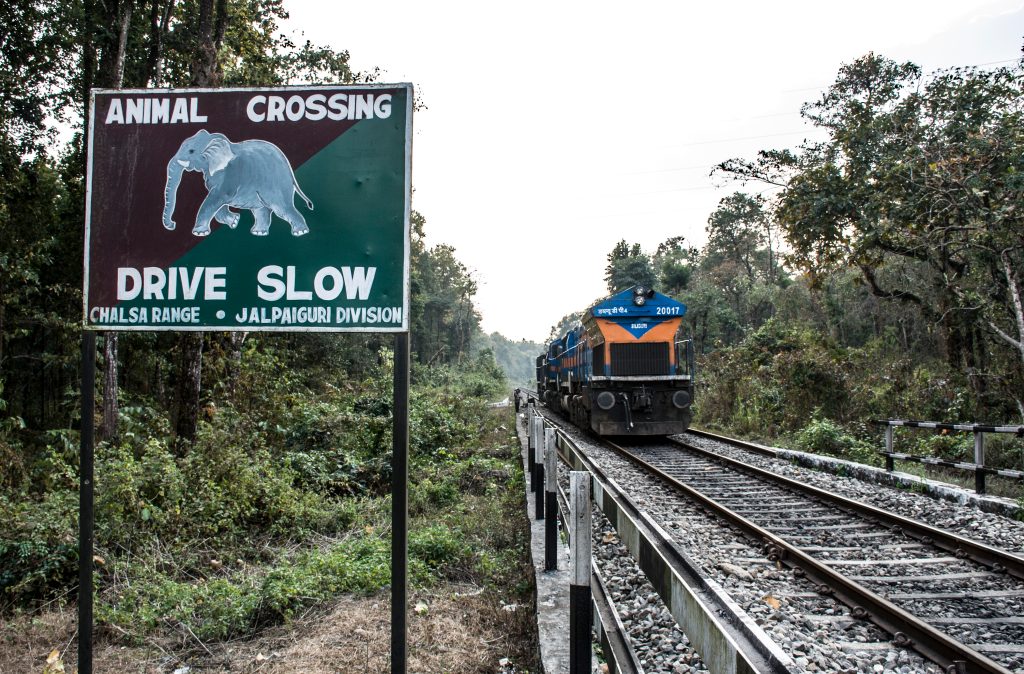
The encroachment of human populations into elephant habitats has escalated human-elephant conflicts. Elephants sometimes raid crops, leading to retaliatory actions from farmers, including poisoning and electrocution. Every year, 100 humans (in some years it may be 300 people) and 40-50 elephants are killed during crop raiding in India.
As the human population continues growing and new transport infrastructure is built, wild elephants also have to deal with the problem of being hit by trains. In the last ten years, approximately 896 elephants were killed on India’s deadly train tracks, and West Bengal is one of the most notorious states for this. Voices for Asian Elephants Society (VFAE) has found a way to reduce such deaths, by developing EleSense, an AI-powered alert system designed to detect and warn train conductors of nearby elephants, allowing conductors time to slow down and prevent tragic accidents. Founder Sangita Iyer said to UnchainedTV, “We partnered with an indigenous group of people… they developed this artificial intelligence-based technology, which is called Elesense. The minute this device detects or feels the pattern, the thermal, the movement patterns, and the height of an elephant, it sends out a signal to our team, to the Forest Department, and to the Railway Department. As soon as the Railway Department receives it, in their control centre, they use a walkie-talkie to call the train pilot and say, ‘Slow down.’”
The abuse of elephants in India is a multifaceted issue rooted in cultural traditions, economic factors, and human encroachment on natural habitats. The best way to mitigate it is to stop seeing non-human animals as either commodities to exploit or competitors to beat and leave the elephants alone in the wild. This is the approach of the philosophy of veganism.
Sign up to go vegan for the animals in 2025 with Veganuary! https://bit.ly/Veganuary25