
The Turkish Food Codex Guide for Food Labelling and Consumer Information has introduced new regulations to provide clear guidelines on the labelling, production, and marketing of vegan and vegetarian products, which will allow the commercialisation of some vegan products previously banned.
In 2022, the Turkish Ministry of Agriculture and Forestry banned the production and sale of vegan products that resemble dairy cheese, as they were perceived to violate cheese standards (even though they did not use the term “cheese” in their labels). Even the packaging similar to that used for traditional dairy cheese was considered misleading. However, with the new guidance, these products will be allowed if they are properly labelled and do not use terms associated with animal products — such as milk, cheese, yoghurt, chicken, beef, etc.
The new guidance, which must be fully adhered to by the 31st of December 2026, includes the following rules for vegan and vegetarian products:
- Vegan/vegetarian foods shouldn’t be marketed as substitutes for animal-based foods, and their branding shouldn’t evoke animal-based products, especially in names and visuals.
- Terms like “plant-based,” “vegan,” or “vegetarian” can be paired with typical food terms such as patty or burger and include corresponding visuals. Therefore, terms such as “vegan burger” or “vegetarian sausage” on labels are allowed.
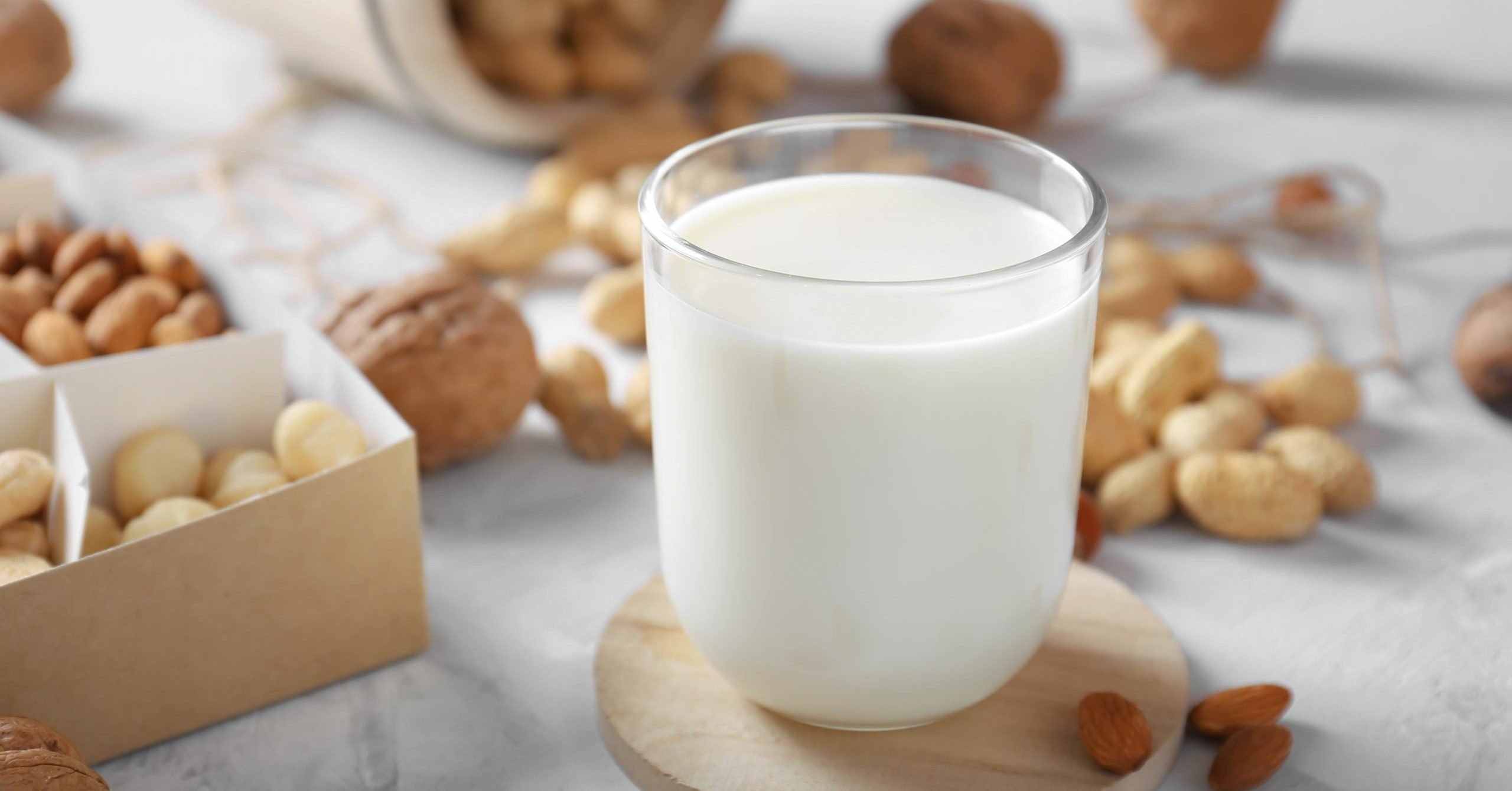
- Plant-based beverages, except for coconut milk, cannot include dairy-related terms such as “milk” (“almond beverage” instead) and may state “lactose-free.”
- Products cannot include geographical indications or traditional names associated with animal-derived ingredients, and product labels must avoid meat-related terms in general.
- Food service establishments must indicate vegetarian and vegan options on menus, brochures, or digital displays with statements like “suitable for vegetarians/vegans.”
- Descriptions like “chicken-flavoured” or “butter-tasting” are prohibited, whereas “vegan cracker with cheese flavour” is permitted.
- Labels in other languages must comply with these guidelines.
In the announcement, Medusa Asli, Projects & Communications Manager of the Vegan Association of Turkey (TVD), said, “While the updated regulation has pros and cons, acknowledgement by official channels represents a notable step forward for the vegan and vegetarian market and highlights its growing presence.”
Ebru Ariman, founding President of TVD and Head of V-Label Turkey, said, “The regulation is, overall, a step forward. It is significant in that it is the first legal framework in this area in our country, but its shortcomings must also be acknowledged.”
Join millions choosing vegan in 2025 with Veganuary! https://bit.ly/Veganuary25