
Jordi Casamitjana, author of the book “Ethical Vegan”, identifies some of the main superstitions the destructive ideology of carnism relies upon.
I am a rational person.
Not only because I am a scientist — an ethologist and zoologist, to be precise — and I am not religious despite growing up in a Catholic household, but also because I like to understand how things work, and I am interested in learning about reality. Like anyone else, there are things that I haven’t quite grasped yet, and there will be things I will never understand, but I only base my important decisions on what I consider facts supported by strong evidence, the advice of wise educated people I trust, my ethical understanding of right and wrong, and common sense — which I sometimes wonder if it is becoming less common.
I am an ethical vegan precisely because of all this. I hold a strong conviction that the main axioms of veganism are true (the axioms of ahimsa, animal sentience, anti-exploitation, anti-speciesism, and vicariousness), but this conviction does not come from faith, belief in religious scriptures or superstition, but from logic and science (hence ethical veganism is a legally-recognised philosophical belief, not a religious belief). Science tells us what animals are, that they are sentient beings who feel pain and can suffer, and that all the ways humans exploit other animals are harmful to them.
However, many people base their important life decisions on faith, doctrines from religious leaders, belief in scriptures, or superstition, and many of them are decision-makers who impose their beliefs on the rest of society, either directly through controlling education or creating laws, or indirectly by setting the conditions where legends and myths override facts. Several major religions compete with each other, so religious people are used to trusting the ones they follow and are sceptical about all the others, but the case of superstitions is more complicated, as they can run across religions and non-religious ideologies alike, and often people do not realise they are superstitious.
I want to pay some attention to superstitions because, although I do not consider myself superstitious, I am constantly surrounded by people who are, and I spend a lot of time and effort trying to prevent their superstitions from messing with my life. This is because I am an ethical vegan, and most people who decide about things that matter to me are not.
There is one major ideology that over 90% of people in the world blindly follow that heavily relies on superstition. It’s called Carnism and is the prevailing ideology which, based on the notion of supremacy and dominion, conditions people to exploit other sentient beings for any purpose, and to participate in any cruel treatment of non-human animals. In dietary terms, it denotes the practice of consuming products derived wholly or partly from culturally selected non-human animals. We can view carnism as the opposite of veganism, and as the vegan activist that I am, I am therefore eager to expose the true nature of carnism and dismantle it one piece at a time. Let’s talk about some of the many superstitions this harmful ideology relies upon.
What Are Superstitions?

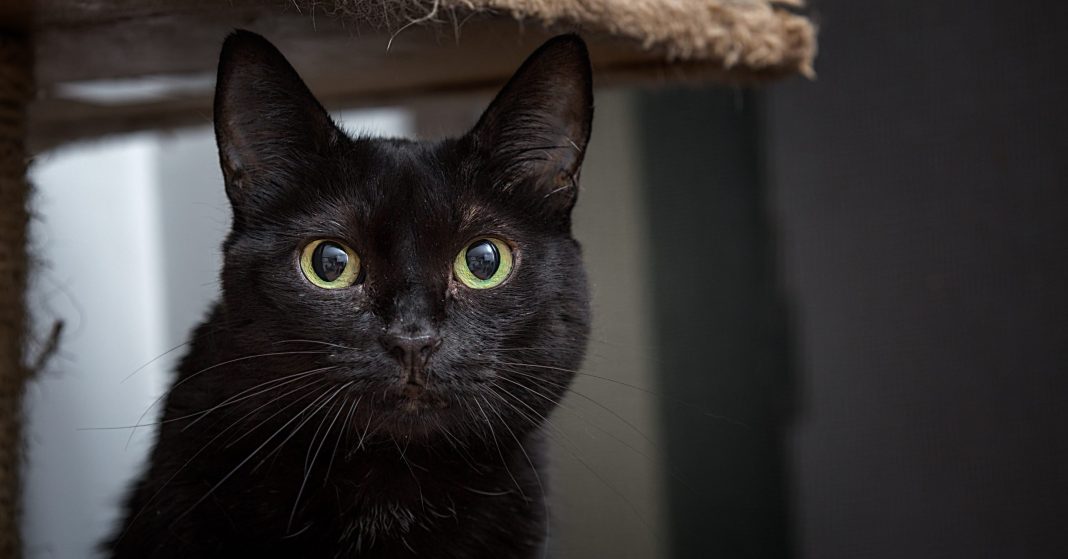
Superstitions are irrational beliefs or practices that attribute supernatural causality to certain actions, objects, or rituals, often to get specific outcomes or avoid misfortune. For instance, touching wood to avoid misfortune when something has been said that could go wrong, crossing two fingers for good luck, seeing a black cat will bring you bad luck, avoiding the number 13 or 4 (depending on the country) to avoid unwanted situations, throwing salt over your shoulder to ward off bad luck after spilling it, not to mention the “Scottish Play” before a performance, or simply carrying a lucky charm.
According to psychologist Stuart Vyse, “superstitions are a subset of paranormal beliefs that are pragmatic”, so they are used not to speculate about what happens after one dies or to explain a rare phenomenon, but simply to “help” with everyday practical tasks.
Most people who are superstitious may not see their superstitions as paranormal or supernatural, but this is what they are — technically, anyway. They may not attribute the outcome to deities, angels, demons, spirits, dead ancestors, aliens, or other popular paranormal beings, or even have any explanation as to why a particular action may lead to the outcome they want, but the fact the causality they believe in is not believed by the majority of people, and there is no true evidence that it works, is what makes this paranormal (as very rare) or supernatural (not following the laws of physics, chemistry, or biology).
Psychologist Carolyn Hildebrandt from the University of Northern Iowa identifies three primary ways people acquire superstitions: Direct teaching (children learn superstitions from peers or parents), Observation and imitation (people adopt superstitious behaviours by watching others), and Accidental conditioning (personal superstitions develop through coincidental associations between actions and outcomes).
Superstitions often emerge as a response to feelings of powerlessness, providing an illusion of control in uncertain situations. They can also happen when individuals attribute physical or biological properties to mental phenomena, or mental attributes to inanimate objects. In high-pressure or uncertain situations, superstitions can act as personalised coping mechanisms. However, in addition to generic psychological factors, superstitions can be deeply rooted in cultural and social contexts. Anthropologist John Clare said that superstitions are “as old as England” and remain “as common to every memory as the seasons”.
We should not confuse superstitions with habits, rituals, or routines. Habits only describe behaviours that people often do without thinking much about them, because they have become a common part of their behavioural repertoire and choices. Why such habits were chosen in the first place is irrelevant, and the reasons could be very rational, or even random.
Rituals are stylised behaviours and activities with a given meaning shaped by cultural or social tradition, so their form may be very specific and be codified somewhere so people can learn how to perform the ritual “properly”. They could be based on religion or social norms, and they may be performed not because people believe the action is necessary to attain a goal, but simply to “fit in” or conform to social expectations.
Routines may be habits that have developed to calm or soothe oneself as they give a sense of predictability and familiarity (they may be common in neurodivergent people who use them to cope with a world designed for neurotypicals), or which have been created to aid coordination between people or maximise efficiency and safety in performing tasks (routines are often part of jobs and may be designed by the employers or governments).
Superstitions may become habits (if they lead to particular behaviours often performed), rituals (if they were acquired long ago by societies, and then spread among their members in a specific form), or routines (if engraved in the decision-makers who develop codes of conduct), but these three concepts can also develop independently of superstitions.
In the case of carnism, though, superstitions have indeed generated habits, rituals, and routines that are constantly reinforced by people’s behaviour and society’s rules, till the point people assume that they are “normal” and based on facts and common sense, while they are essentially based on superstitious paranormal beliefs that have been normalised and only questioned by those who society labels as “radicals” or “fringe” who freed themselves from indoctrination — such as vegans. Let’s explore the most widespread superstitions of carnism:
Carnist Superstition 1: “Eating Red Meat Makes You Stronger and Healthier”

Despite healthy vegetarians having existed for millennia (like the Pythagoreans in ancient Greece, the Essenes in the Middle East, or the Jains in the Indian subcontinent) most people still believe that eating meat is healthy and makes you strong. They may think that this belief comes from science, but it comes from superstition instead. The more science looks at which diet is the healthiest, the more plant-based diets are seen outperforming any other diet. When we only look at meat eating alone (as opposed to consuming other animal products), the evidence is even more compelling.
The World Health Organization has now classified processed meat as carcinogenic and red meat as probably carcinogenic to humans. Meat consumption is particularly associated with colorectal, prostate, breast, lymphoma, and stomach cancers. For every 50 grams of processed meat eaten daily, the risk of colorectal cancer increases by about 18%. Cooking meat at high temperatures can create heterocyclic aromatic amines (HAAs), which have been linked to cancer in long-term animal studies, and as humans are not a carnivore species adapted to eat raw meat, and raw meat can contain many dangerous pathogens, virtually every meat eater is exposed to these compounds.
Large observational studies have linked meat consumption to a higher chance of developing cardiovascular disease. Processed meat consumption appeared to increase heart disease risk by 42% in a review of 20 studies involving more than 1.2 million people.
Several large studies have shown an association between processed or red meat and type 2 diabetes. A meta-analysis of epidemiological research found that eating meat raises the risk of type 2 diabetes by 22%.
Consuming more than half a serving of red meat daily increased the risk of developing diabetes within 4 years by 30%.
Evidence from large prospective US and European cohort studies indicates that long-term consumption of increasing amounts of red meat, and particularly processed meat, is associated with an increased risk of total mortality.
And then we have the other end of the spectrum of the abundant evidence that exposes the “healthy meat” myth, where people who don’t eat any meat not only are healthy but can be very fit and be champions at highly competitive sporting events. For instance, The Vegan Strong Plantbuilt Team, established in 2012 to promote a plant-based lifestyle through competitive sports, won 55 medals, 48 of which were gold, at the Mr America 2024 Sports Festival from the 11th to 13th October 2024.
How did this superstition come about? It possibly started hundreds of thousands of years ago in periods of food scarcity (sometimes self-imposed by migrating to very cold areas) when eating meat saved some populations from starvation, and then the false association between “not dying from hunger” and “being healthy food for humans” was established, perhaps after praying to deities or spirits for food during bad times. At one point, in patriarchal societies, the false “healthy” meat was given to the elites and dominant men, perpetuating the myth that it’s good food that the lower members of society aspired to have — and sought when they had the means. From generation to generation, from culture to culture, the superstition of “I need to eat meat or I will die” became a habit, ritual, and routine for the majority of people, who wrongly attributed their bad health to other causes.
Carnist Superstition 2: “Humans Are Natural Carnivores and Need Meat to Survive”

Most carnists believe that humans are a carnivore species, but this belief comes from superstition, not science. Misguided scientists of the 18th century –who did not know about the existence of healthy vegans — have contributed to this myth by interpreting the hominid fossil record in a biased pro-meat eating way, but the superstition comes more from an earlier inflated ego (you know, those egocentric beliefs that the Earth was the centre of the Universe and that humans are at the top of the food chain) which for millennia has justified invasions, genocide, slavery, and many other traits of oppressive patriarchal societies. That ego has made humans see themselves as “the kings of the jungle” and “the apex predators”, which is a role often attributed to carnivore species such as lions, tigers, or wolves, rather than frugivore primates such as monkeys, gorillas, or bonobos — which is the group we belong to.
There is plenty of evidence of humans not being a carnivore species and of human ancestry being primarily plant-based (even if there was a short ill-fated period of about one million years when hominids experimented with meat-eating, which probably led to the extinction of many hominid species), and I have written extensively about it. For instance, the dentition of modern-day humans is more similar to that of anthropoid apes than any other dentition of any other animal. All anthropoid apes are either folivores (gorillas) or frugivores (the rest), which already tells us that we are not a carnivorous species and that the likelihood of humans having a frugivore adaptation is higher than having a folivore/herbivore adaptation.
A 2022 study of archaeological sites in Africa suggested that the theory that the hominids from the species Homo erectus ate more meat than the hominids they immediately evolved from could be false. Palaeontologists in the past have claimed that they found more fossils of marked animal bones around fossils of Homo erectus than around fossils of previous hominids, but the new study has shown that this only happened because more effort was put into finding them in Homo erectus sites, not because they are more common.
In January 2024, the Guardian published an article titled “Hunter-gatherers were mostly gatherers, says archaeologist.” It refers to the study of the remains of 24 individuals from two burial sites in the Peruvian Andes dating back to between 9,000 and 6,500 years ago, and it concluded that wild potatoes and other root vegetables may have been their dominant food.
Research has also confirmed that there would be enough edible plants in Europe to sustain humans before agriculture without the need to rely on meat. A 2022 study by Rosie R. Bishop on the role of carbohydrates in past hunter-gatherer diets in temperate Europe concluded that the carbohydrate and energy content of wild roots/rhizomes can be higher than in cultivated potatoes, showing that they could have provided a major carbohydrate and energy source for hunter-gatherers in Mesolithic Europe (between 8,800 BCE to 4,500 BCE). This conclusion has been supported by more recent studies that found remains of some of the 90 European plants with edible roots and tubers in a Mesolithic hunter-gatherer site on Harris, in the Western Isles of Scotland. Many of these plant foods would likely be underrepresented in archaeological excavations as they are fragile and would be difficult to preserve.
Carnist Superstition 3: “‘Humane’ Meat Is Ethically Acceptable Because it Minimises Suffering”

The idea that you can torture and kill a sentient being in a “humane” way is a classical carnist superstition. Its supernatural explanation probably comes from the times in which humans performed sacrifices to appease their gods. They knew that killing others was bad because we all have an inborn sense of right and wrong, so when they started to hunt or slaughter farmed animals for food, they had to find a way to “absolve” themselves from the feeling that they should not be doing it. Thinking that deities permitted them to do it as long as some of the deaths were given to them as gifts is what transformed this superstition into very complex ritualised religious sacrifices.
The notion of “humane” meat, eggs, or dairy is just a secular variation of those misguided sacrifices, which may take a different form now (although not that different in the case of halal or cosher slaughtering), but still, the rules of how the new form should be applied are very strict — as in any ritual.
In reality, there is no such thing as “humane” slaughter — as all vegans know. What is the difference between “Humane slaughter” and “Inhumane slaughter”? In the human war context, which kind of mass killing would be considered “humane slaughter”? Which weapons in war are considered to kill civilians in a “humane” way? None. In the human context, it is quite clear that the term “humane slaughter” is an oxymoron, because mass-killing civilians with any means could never be considered humane. No mass murderer has ever received a lenient sentence if the method used to murder people was considered “humane” because there is no such thing as “humane murder”. Even a murderous doctor using the same methods used in euthanasia (a lethal injection) would receive a full sentence for murder for having killed any patient who did not want to die.
If the term “humane slaughter” makes no sense when the victims are humans, would it make sense when the victims are other types of animals? The reason that it makes no sense in the human context is that depriving someone who wants to live from living is already a cruel act. Is it not the same when people kill animals for food? The animals don’t want to die, and yet the slaughterhouse workers deprive them of living. Murder is the crime that receives the highest sentence for a reason. Taking a human’s life is a serious aggravation because it cannot be corrected. The act is irreversible as the life of a murdered person cannot be returned. This is the same for slaughtered animals, who are killed when they are very young (many, actual babies). Their lives cannot be returned.
Carnist Superstition 4: “Certain Animal Products Have ‘Magical’ Properties”

Carnists have many superstitions about certain animal parts and secretions believing that they have “magical” properties if consumed. In the West, people often criticise the trade of parts of endangered species — such as tiger bones or rhino horn — when these are justified as health products of Chinese medicine. This criticism is based on the knowledge that such animal products do not really cure the diseases claimed to cure, and everything is just an array of superstitions built up into a culturally reinforced medical system based more on ancient tradition than on scientific facts. However, Western culture is not immune to this sort of superstition. It often also assumes that the “magical” properties some animal products are claimed to have are based on solid science when they are not.
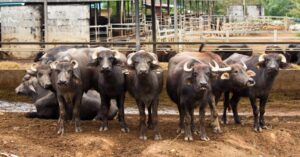
For instance, the myth that the secretions of the mammal glands of animals such as cows, buffaloes, or goats have the magical property to prevent bone fractures in humans because of their calcium content. This is what the Physicians Committee for Responsible Medicine has to say about it: “The dairy and bone health link is one of the most pervasive milk myths. One large-scale Harvard study followed 72,000 women for two decades and found no evidence that drinking milk can prevent bone fractures or osteoporosis. Another study of more than 96,000 people found that the more milk men consumed as teenagers, the more bone fractures they experience as adults. Similarly, another study found that adolescent girls who consumed the most calcium, mostly in the form of dairy products, were at greater risk for stress fractures than those consuming less calcium.”
Other examples of animal products with claimed “magical” properties unsupported by strong science but which continue to be commercialised and consumed in Western carnist societies are the following: shark cartilage (promoted as a cure for cancer and joint health, especially in supplements), deer antler velvet (marketed for its supposed benefits for strength, endurance, and sexual health), raw liver supplements (consumed for “natural energy boosts” or as a vitamin source, especially in the paleo or carnivore communities), bee venom therapy (promoted as an anti-inflammatory or as a treatment for arthritis and multiple sclerosis), collagen supplements (marketed for skin health, joint support, and anti-aging), bone broth (popular in wellness circles, it is touted as a cure-all for joint pain, gut health, and skin elasticity), glandular extracts (e.g. thyroid or adrenal extracts, sourced from animals and used in supplements for hormone balance or energy), raw oysters (promoted for their aphrodisiac qualities due to their zinc content), bee pollen (marketed as a superfood for energy and immunity), and bee honey (claimed to help lose weight, cure allergies, treat diabetes, or simply as a “superfood” to boost energy, strengthen immunity, and improve digestion). Those who believe in the magical properties of these products don’t care about whether there is any solid evidence backing the claims of those who sold them.
Carnist Superstition 5: “Animals Exploited by Humans Don’t Suffer That Much”

Vegans consider that all members of the Animal Kingdom are sentient beings (the second main axiom of veganism) who can feel pain and suffer. Carnists, on the other side, consider all other animals inferior to them (often claiming that this is the result of divine intervention), and although many may accept that some are sentient beings that can suffer, in general, they tend to believe that those who humans exploit do not suffer that much from such exploitation. This is simply based on superstition and not facts, as such humans believe in supernatural powers who have created animals whose only purpose is serving humans.
Even in the cases of animals tortured for entertainment, many carnists, unbelievably, still think that the animals involved do not suffer. The bullfighting industry often uses people with veterinary degrees who claim that either bullfighting bulls are from a breed of bulls who suffer less (for some magical reason) or that the actual torture they endure may switch off all the pain — I know, it’s hard to belief, but this has been said by such “experts” in many occasions, despite being debunked by reputable vets around the world.
The same happens with carnists who ride horses and claim the horses love being ridden, carnists who visit zoos for leisure and claim the animals kept there are very happy and better than in the wild, carnists who breed chickens for fighting and claim they are happier than wild chickens, or carnists who breed “pedigree” dogs with deformities claiming the dogs don’t care that much if they can’t breathe properly or have arthritis as long as they are “looked after”.
Perhaps the most notorious case of “they don’t feel pain” is the case of fishes, who are not only the victims — in trillions — of commercial fishing but also tortured with hooks for sport or kept prisoners in aquaria.
Many animals have sensory receptors called nociceptors that detect potential harm and produce opioids that relieve suffering. In 2002, Dr Lynne Sneddon was the first scientist to conclusively prove that fishes do have nociceptors in their mouths. In her 2003 paper titled “Do fishes have nociceptors? Evidence for the evolution of a vertebrate sensory system” published by the Proceedings of the Royal Society of Biological Sciences, Dr Sneddon and her colleagues were the first to characterise nociceptors that detect painful stimuli on the head of a fish and have since investigated the capacity for pain, fear, and stress in fishes and other aquatic animals.
Ashley et al. (2009) found that noxious stimulation affects antipredator responses and dominance status in rainbow trout, Oncorhynchus mykiss. Nordgreen et al. (2009) proved that goldfish felt both initial sharp pain and the lasting pain that followed when they studied two different doses of morphine on the thermal threshold and post-test behaviour in goldfish. Mettam et al. (2011) found that three types of analgesic drugs were effective in reducing pain in rainbow trout. Caio Maximo (2011) found that the responses of 132 zebrafishes to painful experiments suggest that they feared the events and their fear overrode their pain.
A 2018 article from Ferris Jabr for the Smithsonian Magazine says the following: “Fish demonstrate pain-related changes in physiology and behaviour that are reduced by painkillers, and they show higher brain activity when painfully stimulated. At the anatomical level, fish have neurons known as nociceptors, which detect potential harm, such as high temperatures, intense pressure, and caustic chemicals. Fish produce the same opioids — the body’s innate painkillers — that mammals do. And their brain activity during injury is analogous to that in terrestrial vertebrates.”
Carnism does so much damage to people’s health, animals’ lives, the environment and the planet because it is mostly based on superstition and ego-centric, patriarchal, supremacist views of the world. We cannot afford to “tolerate” carnism any longer because it has become the prevailing ideology that has poisoned all aspects of our societies, and we must cleanse humanity from it. Exposing it as what it is must be one of the steps that we all need to take to defeat its “power”. Carnism is not just an alternative view of the world, another “valid” option that some may choose to direct their lives because it is based on premises as valid as those of veganism. It is not. It is mostly based on superstitions and acts of faith, and carnists should learn about this because they are, as expected of any victim of severe indoctrination, confused about it — to say the least.
Carnism is not based on logic, facts, and common sense, but on superstition and lazy tradition. People who defend this ideology — or who attack veganism that diametrically opposes it — should be told about this.
I am a rational person, and this is why I turned my back on carnism more than 20 years ago.
Everyone should do that too.
Join millions choosing vegan in 2025 with Veganuary! https://bit.ly/Veganuary25